How Baking Temperatures Change Custard, Fruit, and Cream Pies
One of the most important but least discussed aspects of pie baking is temperature. Different types of pies require different oven settings, baking times, and cooling methods because their fillings behave in completely different ways. A fruit pie needs high heat to thicken juices, while a custard pie requires gentle heat to prevent curdling. Cream pies, on the other hand, rely more on stovetop cooking and chilling than oven baking.
After years of baking professionally at Sweet Sherry Pie, I've learned that understanding how temperature affects each category of pie is the key to consistent results. This guide on the Sweet Sherry Pie Blog explains how to adjust oven temperature, rack placement, and cooling time for custard, fruit, and cream pies so your crust stays crisp and your filling sets properly.
Why Temperature Matters in Pie Baking
Pie fillings contain varying proportions of water, sugar, fat, eggs, and starch. Each of these ingredients reacts differently to heat. If the temperature is too low, the filling may remain runny. If too high, delicate fillings can separate, curdle, or overcook before the crust is done.
Successful pie baking is about matching the heat to the structure of the filling.
Fruit Pies: High Heat for Thickening
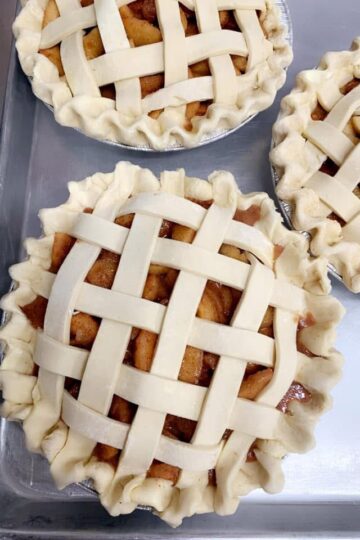
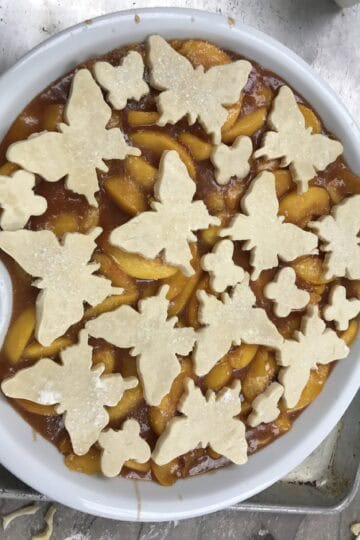
Fruit pies, such as apple, berry, or cherry, contain high levels of water released during baking. They rely on starches and sugars to thicken those juices into a cohesive filling.
Temperature approach:
- Start hot (around 400-425°F) to activate thickening quickly.
- Reduce temperature later if needed to prevent overbrowning.
High heat encourages juices to bubble vigorously, which is necessary for starch activation. Without sufficient heat, the filling may remain watery even if the crust looks done.
Key considerations:
- Bake on a lower rack to crisp the bottom crust.
- Allow ample cooling time so the filling can set.
- Vent top crusts to release steam.
Custard Pies: Gentle Heat for Smooth Texture
Custard pies - such as pumpkin, sweet potato, or chess pie - contain eggs and dairy, which are sensitive to temperature. These proteins coagulate at relatively low temperatures, forming a smooth gel when heated gently.
Temperature approach:
- Moderate oven (around 325-350°F)
- Avoid high heat, which can cause curdling or cracks
If baked too hot, custards may develop a grainy texture or puff dramatically before collapsing. Gentle heat allows the filling to set evenly without separating.
Signs of doneness:
- Slight jiggle in the center
- Firm edges
- No liquid movement
Residual heat continues cooking the custard after removal from the oven.
Cream Pies: Minimal Baking, Maximum Chilling
Cream pies - such as banana cream, coconut cream, or chocolate cream - typically use a fully baked crust and a stovetop-cooked filling thickened with starch rather than eggs alone.
Temperature approach:
- Blind bake crust at high heat for crispness
- Cook filling separately on stovetop
- Chill thoroughly to set
Because these pies rely on refrigeration rather than oven heat, maintaining crust crispness is the main temperature challenge.
Preventing sogginess:
- Bake crust until deeply golden
- Allow crust to cool before adding filling
- Chill filling fully before slicing
Why Rack Position Matters
Oven rack placement influences how heat reaches the pie.
- Lower rack: crisp bottom crust
- Middle rack: balanced baking
- Upper rack: browning the top
Adjusting rack position can prevent underbaked bottoms or overbrowned tops.
Cooling: The Final Temperature Stage
Cooling is part of the baking process, not just a waiting period.
- Fruit pies need hours to set properly.
- Custard pies finish cooking as they cool.
- Cream pies must chill completely for clean slices.
Cutting too early can undo all the work done in the oven.
Why Understanding Pie Types Changes Everything
Once you understand how temperature affects each category of pie, baking becomes far more predictable. Instead of following one set of instructions for every pie, you learn to adapt based on the filling.
The Sweet Sherry Pie Blog serves as my baking journal and instructional resource, where I share the techniques that shape how I work in the kitchen. Mastering temperature is one of the most valuable skills for any baker and the difference between inconsistent results and confident baking.
- Sherry
Sweet Sherry Pie
A recipe blog and baking journal