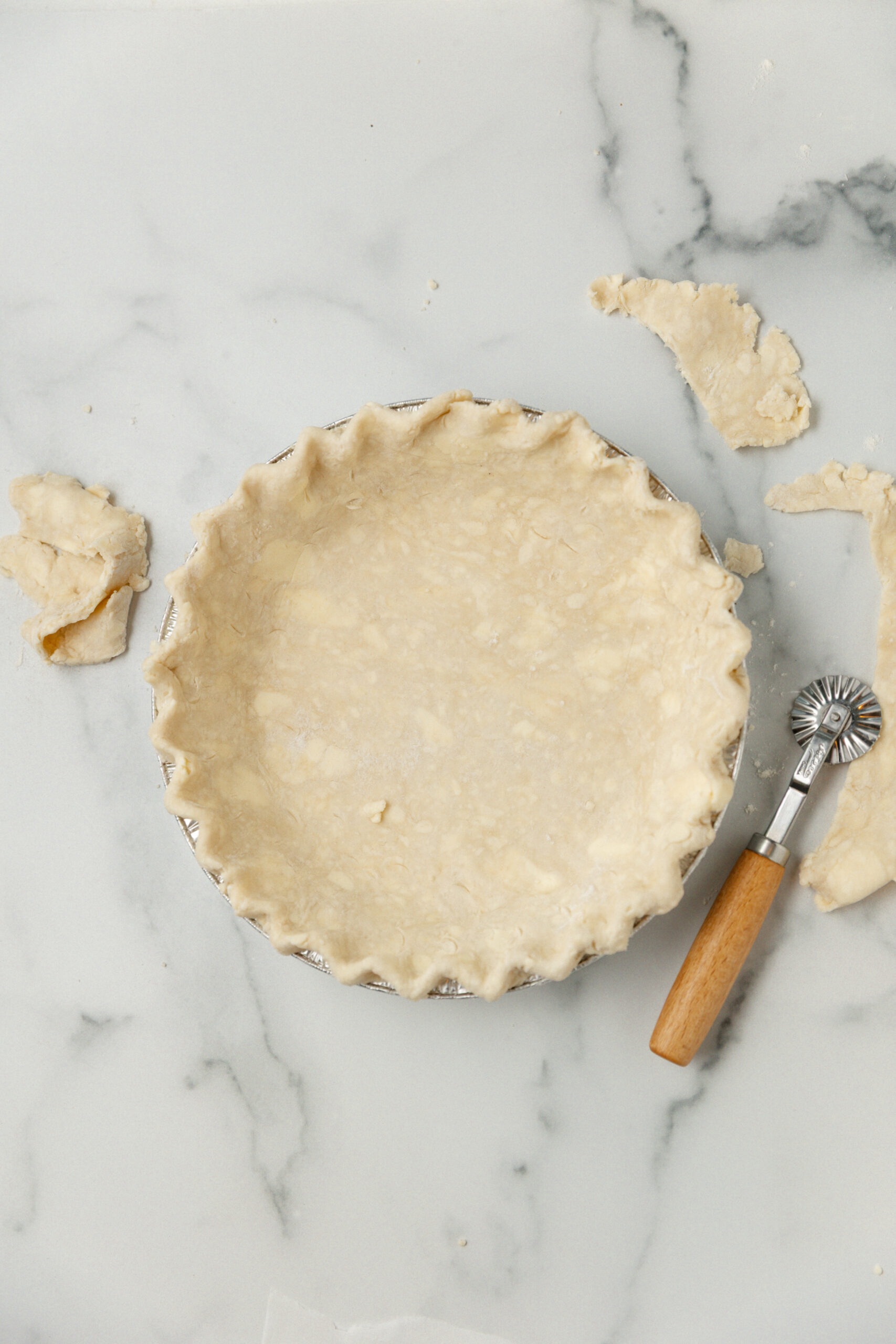
Pie crust is one of the most foundational skills in baking and also one of the most misunderstood. Many bakers assume success comes down to finding the "right recipe," but after years of working as a pastry chef and baking professionally, I've learned that consistency comes from understanding technique. Once you understand how pie dough works - how temperature, fat distribution, and handling affect the final result - you can produce reliable crusts again and again.
This instructional guide on the Sweet Sherry Pie Blog covers the essential principles behind making pie crust, from ingredient selection to rolling, shaping, and baking. Mastering these fundamentals will improve not only your pies but your overall pastry skills.
Understanding the Structure of Pie Dough
Pie crust is a type of shortcrust pastry, which relies on fat distributed throughout flour to create layers. When baked, the water in the butter turns to steam, forming pockets that produce a flaky texture. Keeping the fat distinct rather than fully blended is what makes the difference between tender layers and a dense crust.
Overworking the dough develops gluten, which leads to toughness, while insufficient mixing prevents the dough from holding together. The goal is balance: cohesive but not elastic.
Choosing Ingredients That Support Flakiness
Because pie crust contains relatively few ingredients, quality and handling matter.
Flour provides structure. Medium-protein all-purpose flour offers a balance between strength and tenderness.
Fat contributes flavor and texture. Butter is commonly used for flavor, while some bakers combine fats to improve tenderness and flakiness.
Water binds the dough but should be added carefully. Too little creates cracking; too much encourages gluten development.
Salt enhances flavor and balances richness.
Why Temperature Control Is Critical
Cold ingredients are essential for a flaky crust. If the butter melts before baking, it cannot create steam pockets, resulting in a dense texture instead of layers.
Professional bakers maintain cold temperatures by:
- Using chilled butter
- Working quickly
- Refrigerating dough between steps
- Chilling shaped crusts before baking
Cold dough is also easier to roll and less prone to shrinking.
Mixing Methods and Their Effects
Pie dough can be mixed by hand, pastry cutter, or food processor. The objective is to leave visible pieces of butter intact. Larger pieces create more pronounced flakiness, while overmixing creates a uniform paste that bakes into a firm crust.
Adding liquid gradually allows you to stop as soon as the dough comes together, preventing excess gluten formation.
Rolling and Shaping Without Damaging the Dough
Proper rolling technique ensures even baking and prevents tearing.
- Roll from the center outward
- Rotate frequently
- Use minimal pressure
- Maintain consistent thickness
If cracks form, press them together gently rather than kneading.
Allowing the dough to rest before rolling relaxes gluten and improves workability.
Preventing Shrinkage and Soggy Bottoms
Shrinkage often occurs when dough is stretched into the pan or insufficiently chilled. Letting the dough rest allows the gluten to relax, helping it hold its shape during baking.
For pies with wet fillings, blind baking - partially or fully baking the crust before adding filling - prevents sogginess and ensures a crisp base.
Blind Baking and Par-Baking Techniques
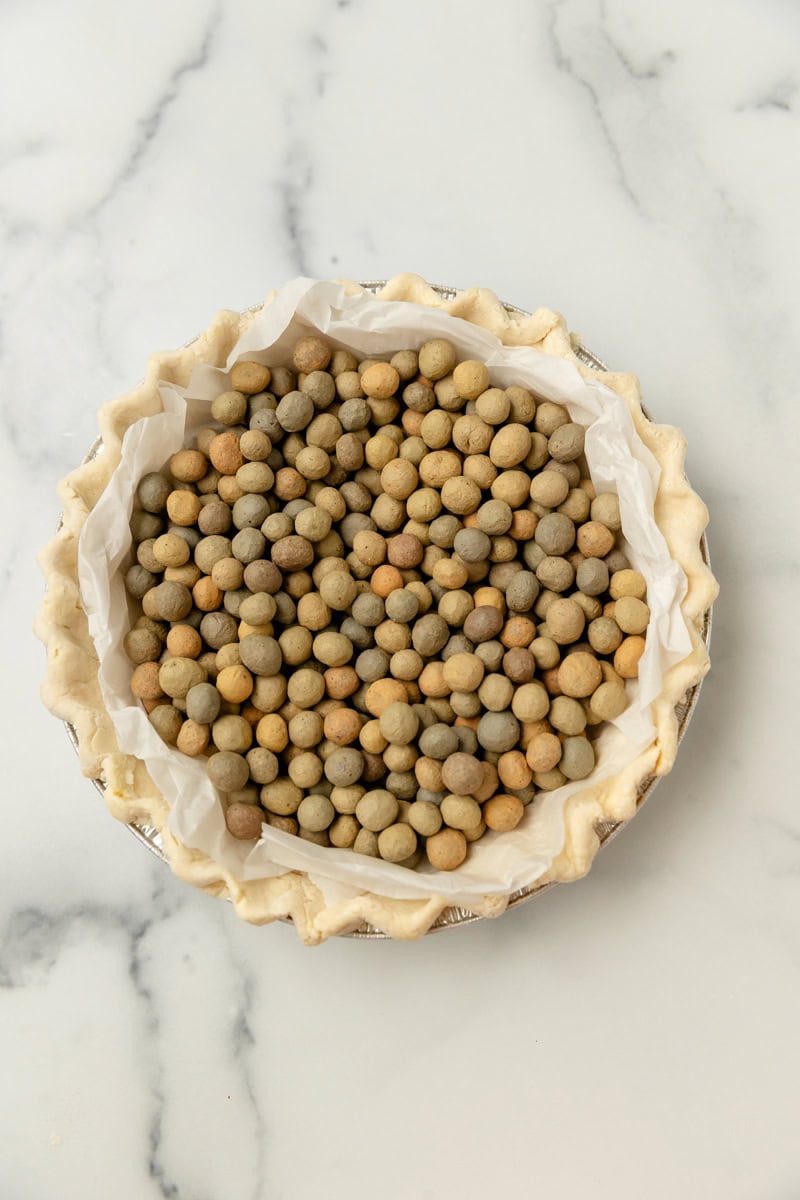
Blind baking involves baking the crust without filling, often using weights to prevent puffing. This technique is essential for cream pies or fillings that bake quickly.
Par-baking, or partial baking, is used when the filling requires additional oven time but the crust needs a head start.
Docking the crust (piercing it with a fork) can also help release steam and prevent bubbling.
Common Pie Crust Problems and Solutions
Tough crust: Overworked dough
Greasy crust: Butter melted before baking
Cracking dough: Too little water or insufficient resting
Pale crust: Oven temperature too low
Understanding the cause makes troubleshooting easier.
Why Mastering Pie Crust Changes Your Baking
Pie dough is more than a single recipe - it's a skill that opens the door to pies, tarts, galettes, quiches, and savory pastries. Once you understand the fundamentals, you gain confidence to experiment and adapt.
The Sweet Sherry Pie Blog serves as my baking journal and instructional resource, where I share the techniques that shape how I work in the kitchen. Learning to make a reliable pie crust is one of the most valuable skills a baker can develop, whether baking occasionally or often.
- Sherry
Sweet Sherry Pie
A recipe blog and baking journal