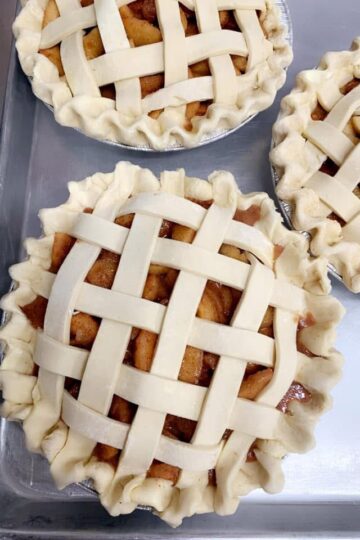
When you make a pie from scratch, leftover dough is almost guaranteed. Trimmed edges, extra portions, and rerolled pieces add up quickly, and many home bakers aren't sure what to do with them. After years of baking professionally and running Sweet Sherry Pie, I've learned that pie crust scraps are not waste - they're an opportunity to practice technique and create entirely new desserts.
This instructional guide on the Sweet Sherry Pie Blog explains how to handle leftover pie dough properly, how to preserve flakiness when rerolling, and multiple ways to turn scraps into finished baked goods. Understanding these techniques helps reduce waste while improving your overall pastry skills.
How to Reroll Pie Dough Without Making It Tough
Pie crust texture depends on layers of butter suspended in flour. Overworking the dough breaks down those layers and develops gluten, which results in a tough crust.
To preserve flakiness when rerolling scraps:
- Gather pieces and stack them rather than kneading
- Press gently into a disk
- Chill briefly if the dough feels soft
- Roll once, not repeatedly
Cold, gently handled dough maintains the structure needed for a tender result.
Managing Dough Temperature
Temperature control is one of the most important factors in pastry work.
If the dough becomes too warm:
- Butter softens
- Dough becomes sticky
- Structure weakens
If too cold:
- Dough cracks while rolling
Aim for dough that is cool but flexible. If it resists rolling, let it sit briefly at room temperature. If it feels greasy, refrigerate before continuing.
Rolling Thickness for Different Uses
Adjust thickness depending on what you plan to make:
- Thin: crackers, decorative cutouts
- Medium: hand pies, turnovers
- Slightly thicker: rustic pastries or galettes
Uniform thickness ensures even baking and prevents soggy centers.
Baking Adjustments for Scrap Dough
Scraps bake faster than full pie shells because they are smaller and thinner.
General guidelines:
- Bake at 350-375°F
- Watch for even golden color
- Check early to prevent burning
Color and texture are better indicators than strict timing.
What You Can Make with Pie Crust Scraps
Hand Pies and Turnovers
Small filled pastries are one of the best uses for leftover dough. Fill with fruit preserves, pastry cream, chocolate, or nut fillings. Seal edges well to prevent leaks during baking.
Hand pies capture the flavor of a full pie in a portable form and are ideal for sharing.
Rustic Galettes
If you have enough dough for a larger piece, a galette is an excellent option. Add fruit or savory fillings to the center and fold the edges loosely.
Galettes require less precision than traditional pies but deliver similar flavor.
Decorative Cutouts and Garnishes
Extra dough can be cut into shapes to decorate pies, cakes, or cheesecakes. Baking them separately keeps them crisp and visually defined.
This technique adds professional presentation without additional complexity.
Storage Tips for Leftover Dough
If you don't plan to bake immediately:
- Wrap tightly to prevent drying
- Refrigerate for up to two days
- Freeze for longer storage
Thaw frozen dough slowly in the refrigerator before rerolling.
Why Learning to Use Scraps Matters
Understanding how to use leftover pie dough builds confidence and reinforces core pastry skills like temperature control and gentle handling. It also shifts your perspective - scraps become a resource rather than something to discard.
The Sweet Sherry Pie Blog serves as my baking journal and instructional guide, where I share the techniques that shape how I work in the kitchen. Learning to repurpose pie crust scraps is a small skill, but it reflects the mindset behind thoughtful baking.
- Sherry
Sweet Sherry Pie
A recipe blog and baking journal
Hand Pies and Turnovers
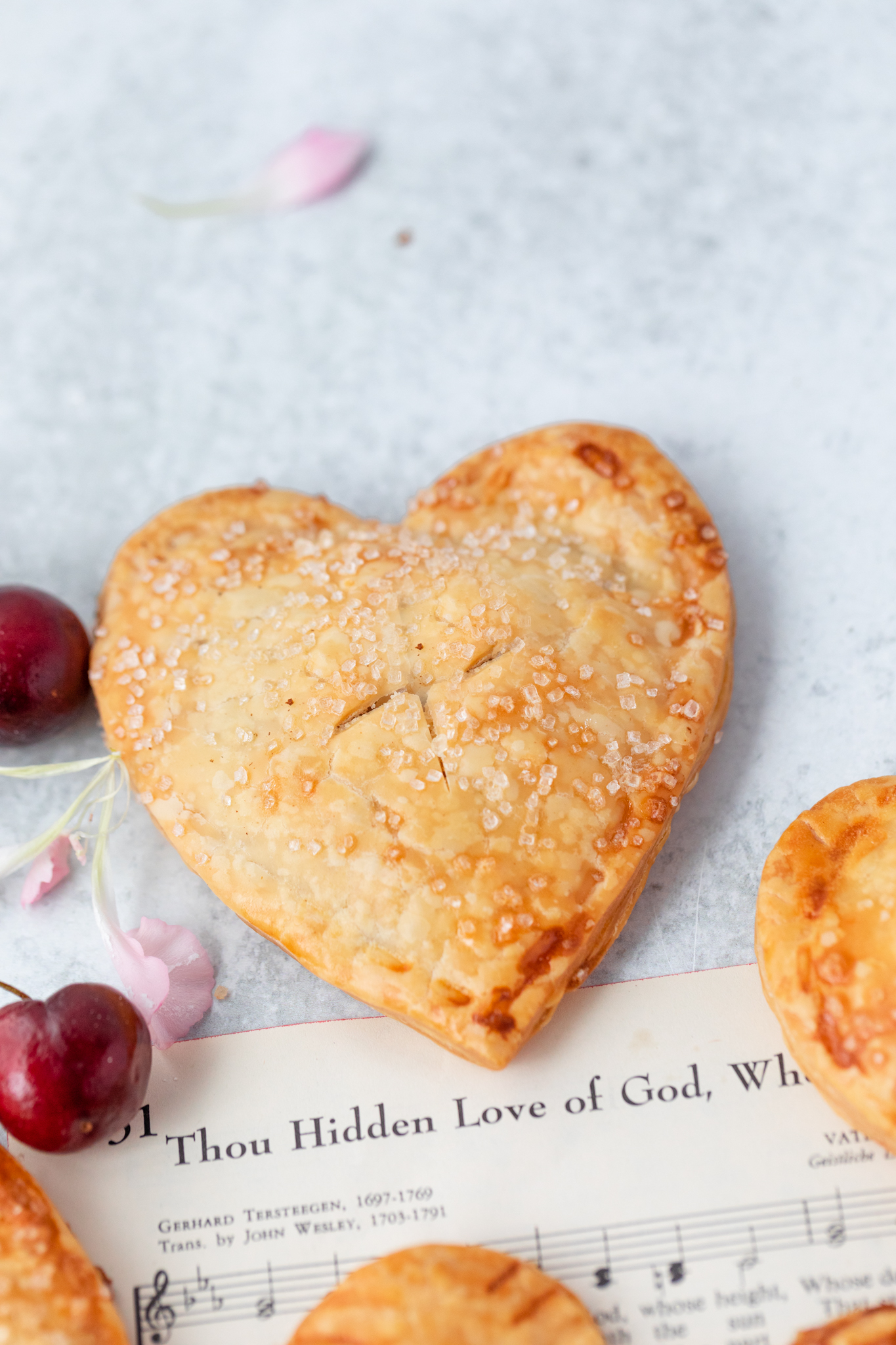
One of the easiest uses for leftover pie dough is making hand pies. Roll out the dough, cut circles, fill with fruit preserves, pastry cream, or chocolate, then fold and seal. Bake until golden for a portable dessert that captures everything people love about pie in a smaller form.
Hand pies are especially useful when you want individual portions or something easy to share. They also freeze well, making them a practical make-ahead treat.
Rustic Galettes
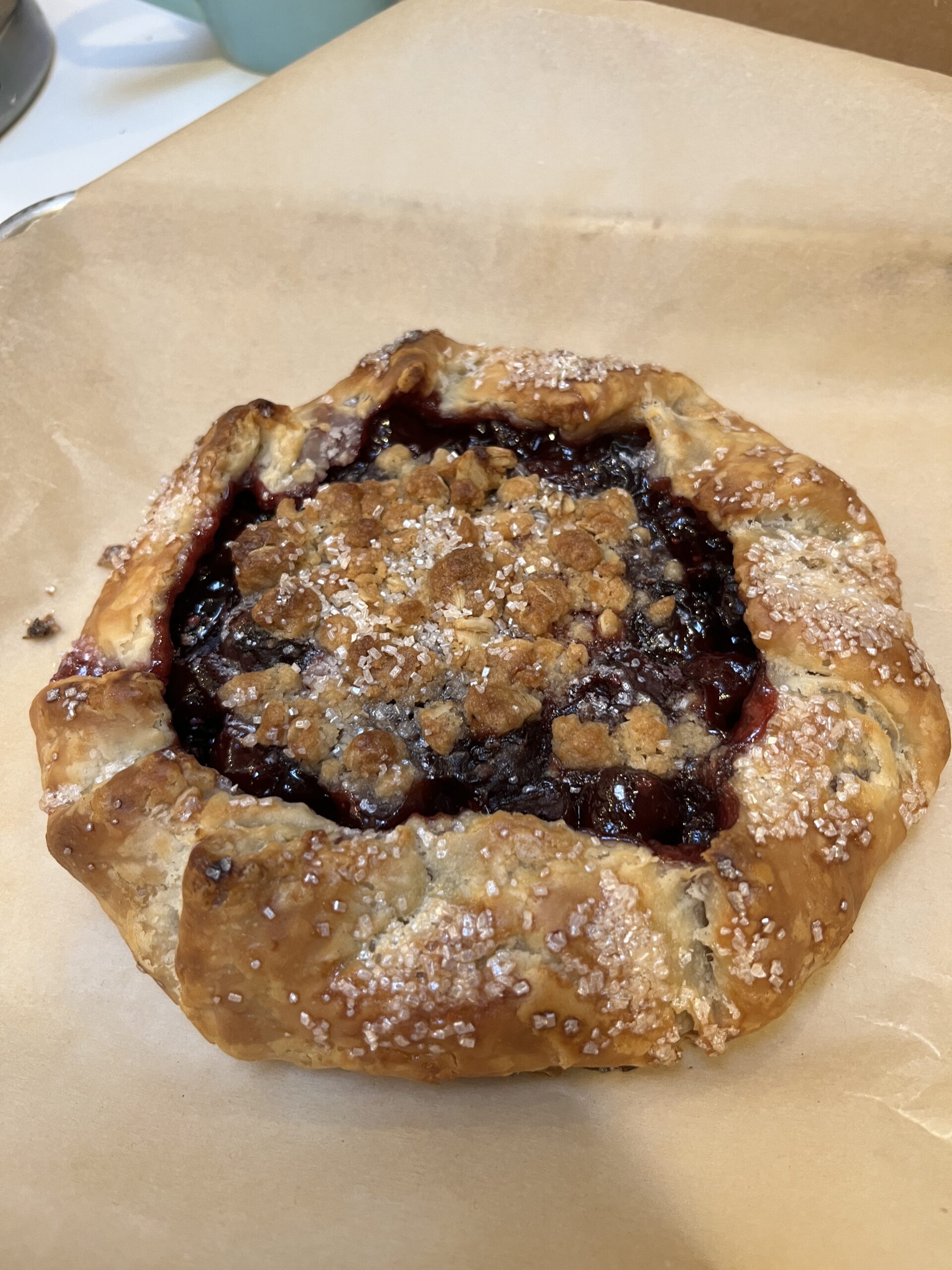
If you want something closer to pie but less structured, galettes are the perfect option. Roll out the dough, add fruit or savory fillings, and fold the edges loosely over the center. There's no need for a pie pan, and the intentionally rustic shape makes them feel relaxed and approachable.
Galettes are ideal when you want the flavor of pie without the precision.
Decorative Cutouts and Garnishes
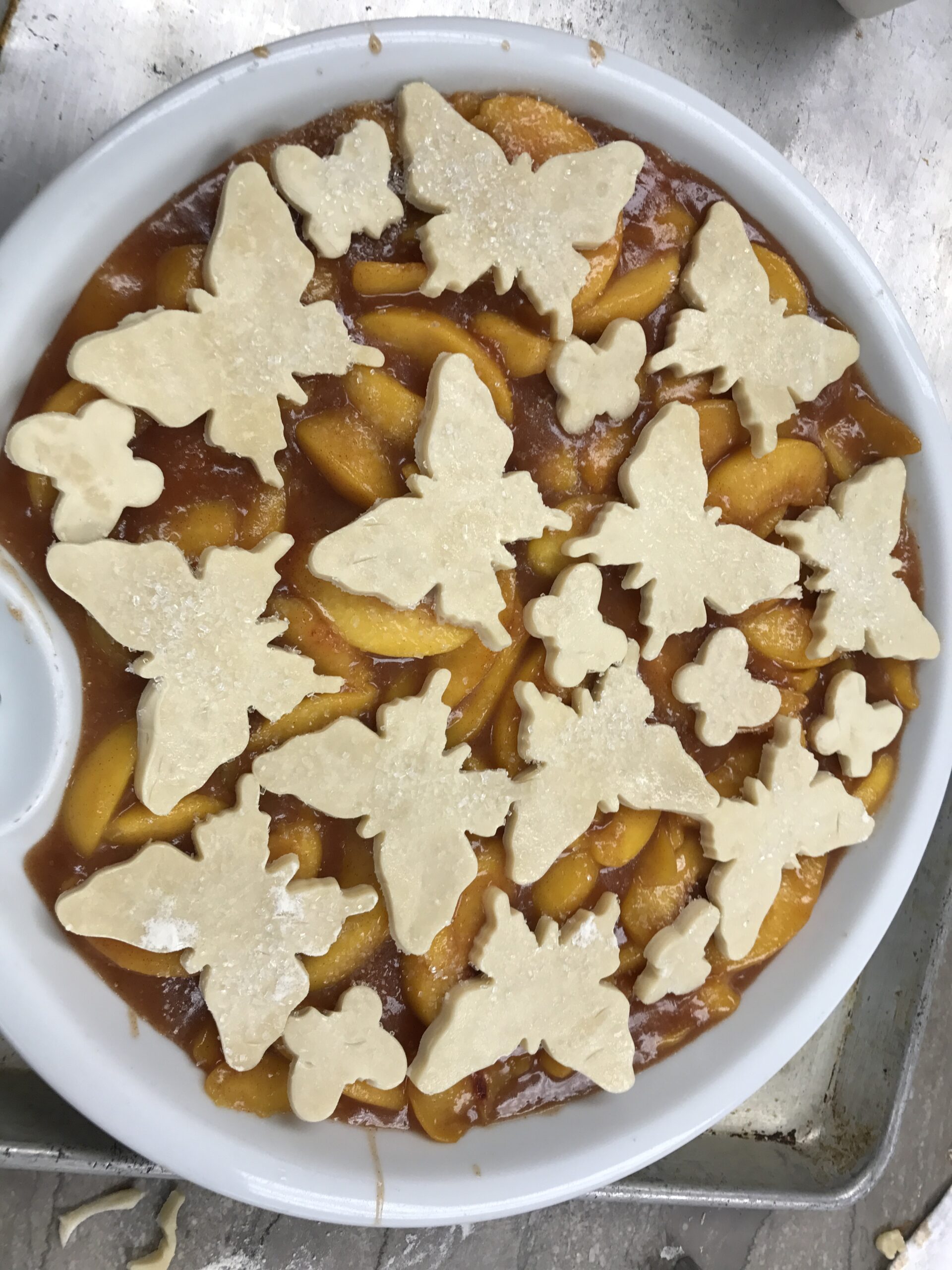
Extra pie dough can also be baked into decorative shapes to use as toppings for cakes, cheesecakes, or plated desserts. Leaves, lattice strips, or simple rounds add texture and visual interest while tying the dessert back to classic pastry techniques.
This method was especially useful when I wanted to elevate presentation without increasing production time at The Berwyn Shops.
Why Pie Dough Is Worth Experimenting With
Pie crust teaches patience, restraint, and attention to detail. It responds to temperature, handling, and timing in ways few other doughs do. Finding creative uses for leftover pie crust helps reduce waste while encouraging experimentation in the kitchen.
The Sweet Sherry Pie Blog exists as my baking journal - a place to share not just recipes, but the techniques and ideas that shape how I work. If you have extra pie dough in your refrigerator, consider it an opportunity rather than a problem.
You might end up discovering a new favorite.
- Sherry
Sweet Sherry Pie
A recipe blog and baking journal